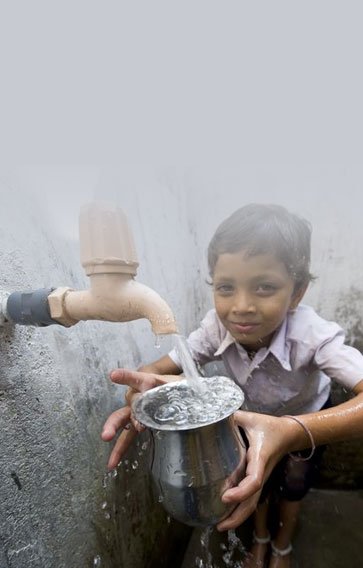
IHRF Water Faucet Projects
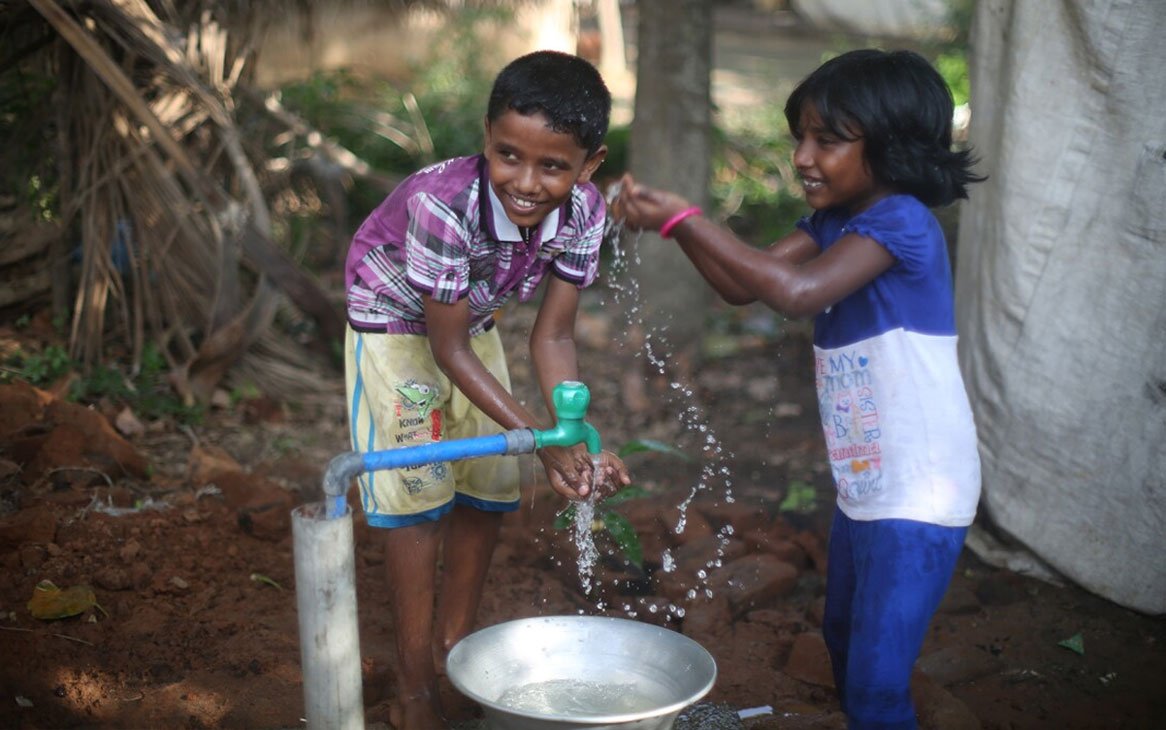
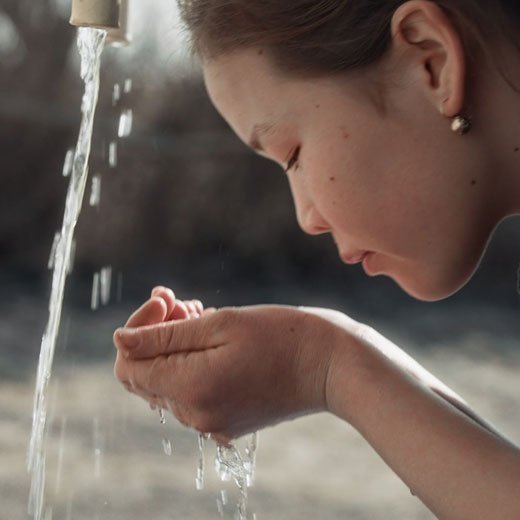
Many villages and slum clusters still collect water from unsafe areas or broken pipelines. With community faucets installed near houses, families—especially women and children—gain safer access to clean water.
Challenge
A lack of functional water points forces families to travel long distances and stand in lengthy queues. This increases health risk, reduces hygiene habits, and takes away valuable time—mainly from women and school children. IHRF steps in where communities need a tap connection, a repair, or guidance to obtain water supply support through local channels.
Drinking Water Support
Public Hygiene
Community Assistance
Local Department Liaison
Our Process
We map households that lack nearby water access, assess feasibility, and coordinate with plumbers, volunteers, and authorities. Our goal is simple—help families drink, cook, and wash without depending on unsafe water sources.
Planning the support
We inspect locations struggling with clean water access and list the points where a faucet or connection is required.
Evaluate situation
Our team checks water pressure, pipeline reach, user count, and potential support from local schemes or donors.
Provide assistance
Based on assessment, we help with faucet installation, pipeline materials, repairs, or connecting families to water supply channels.
Follow-up guidance
We revisit installations to ensure water is flowing and help communities submit maintenance or repair needs if issues arise.
Result
Improved access to clean water has reduced dependency on distant sources, improved hygiene, and brought daily relief to families. Simple faucets have made routines smoother—especially for women, children, and senior citizens.
Case Study :